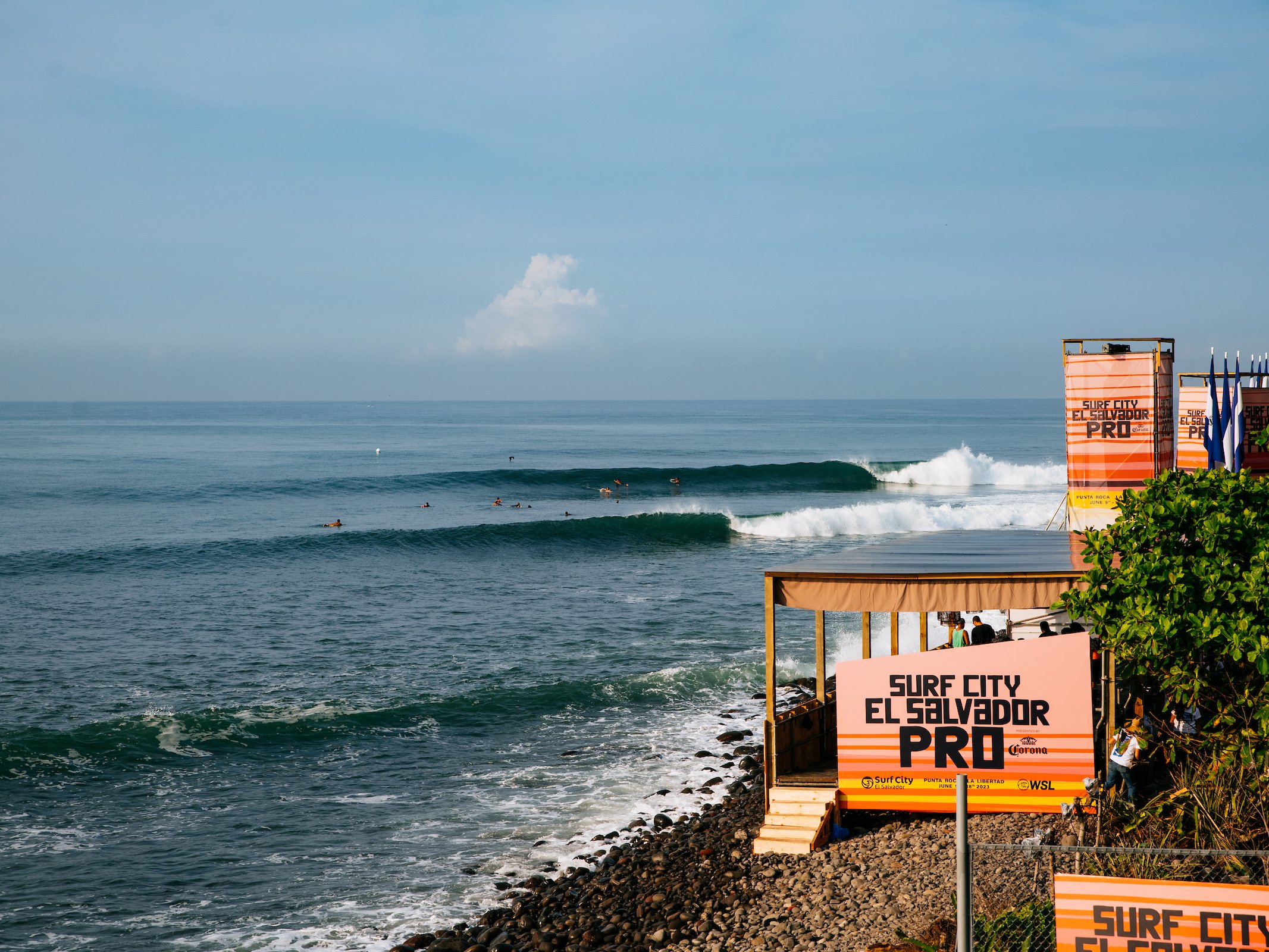
2025: the year Spanish surfing stopped asking for permission
An analysis of a pivotal year in the country by the expert on the subject, Borja Irastorza
Cover photo by ISA/Barboza
For years, Spanish surfing has lived in a kind of perpetual adolescence. Talent abounds, a clear identity in the water, but it has always looked abroad for validation. Australia, California, France, Portugal. Constant references. Inevitable comparisons. 2025, however, has marked a quiet but profound turning point: Spanish surfing has stopped asking for permission.
This year hasn't been defined by a single historic achievement, a medal, or a viral wave that swept the world. It's been something more difficult to measure, but far more relevant: Maturity.
Fewer promises, máIt's reality
For too long we've talked about "the next generation." By 2025, that narrative has run its course. We're no longer talking about the future; we're talking about a competitive, creative, and sustainable present.
Surfers who understand that performance doesn't clash with personality. That competing doesn't mean losing yourself. That you can win without losing your accent, your style, or the community that supports you.
"A competitive, creative and sustainable present"
And that, in a country like Spain, where surfing has always been more cultural than industrial, is a huge leap.
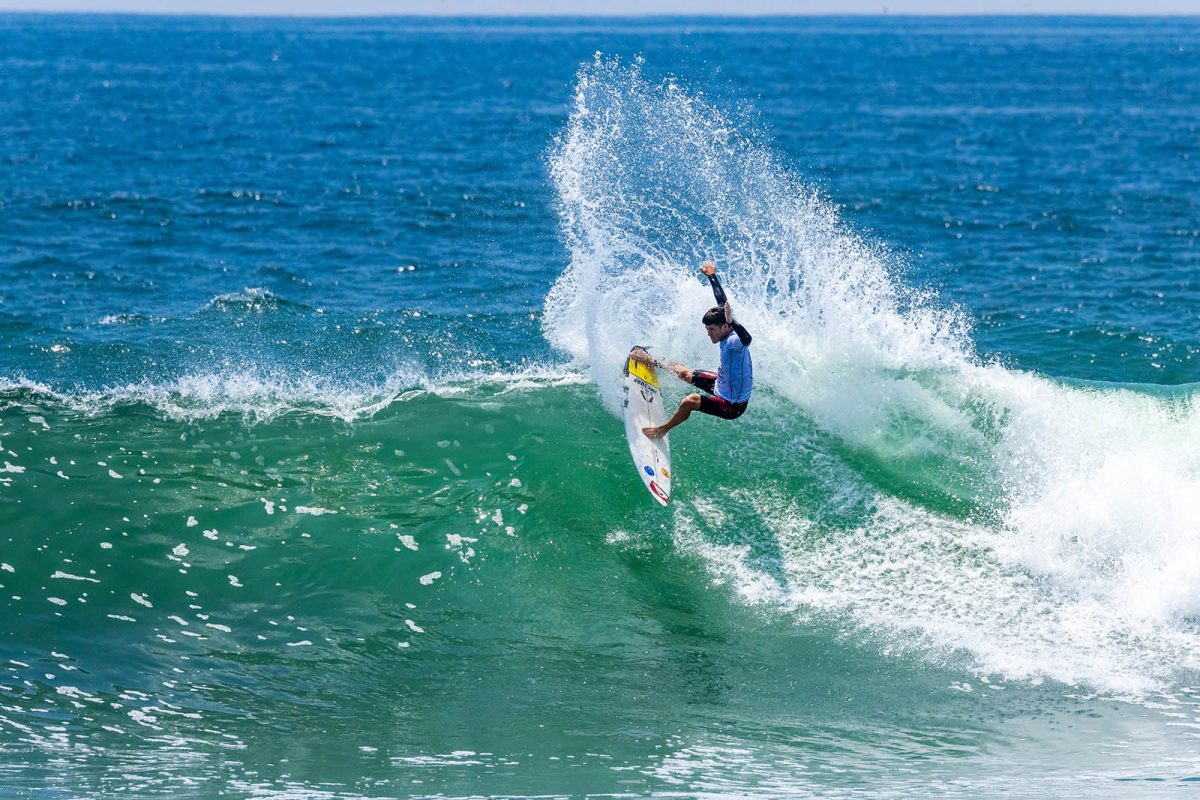
The generation gap (and why)é (now it begins to close)
After the generation of Aritz Aranburu, Hodei Collazo, Gony Zubizarreta, and company, Spanish surfing has experienced a void that's difficult to fill. Not for lack of talent, but for lack of continuity.
There have been occasional results, outstanding performances, brilliant moments… But few solid long-term careers.
The difference that 2025 is beginning to make is that this knowledge is no longer lost. Today we see surfers like Aritz Aranburu and Indar Unanue working with the new generation from a technical and strategic perspective, passing on competition analysis, decision-making, training structure, and, above all, career vision. And, equally important, guiding them on strike missions in consequential waves.
"Today we see surfers like Aritz Aranburu or Indar Unanue working with the new generation from a technical and strategic perspective."
That changes the game.
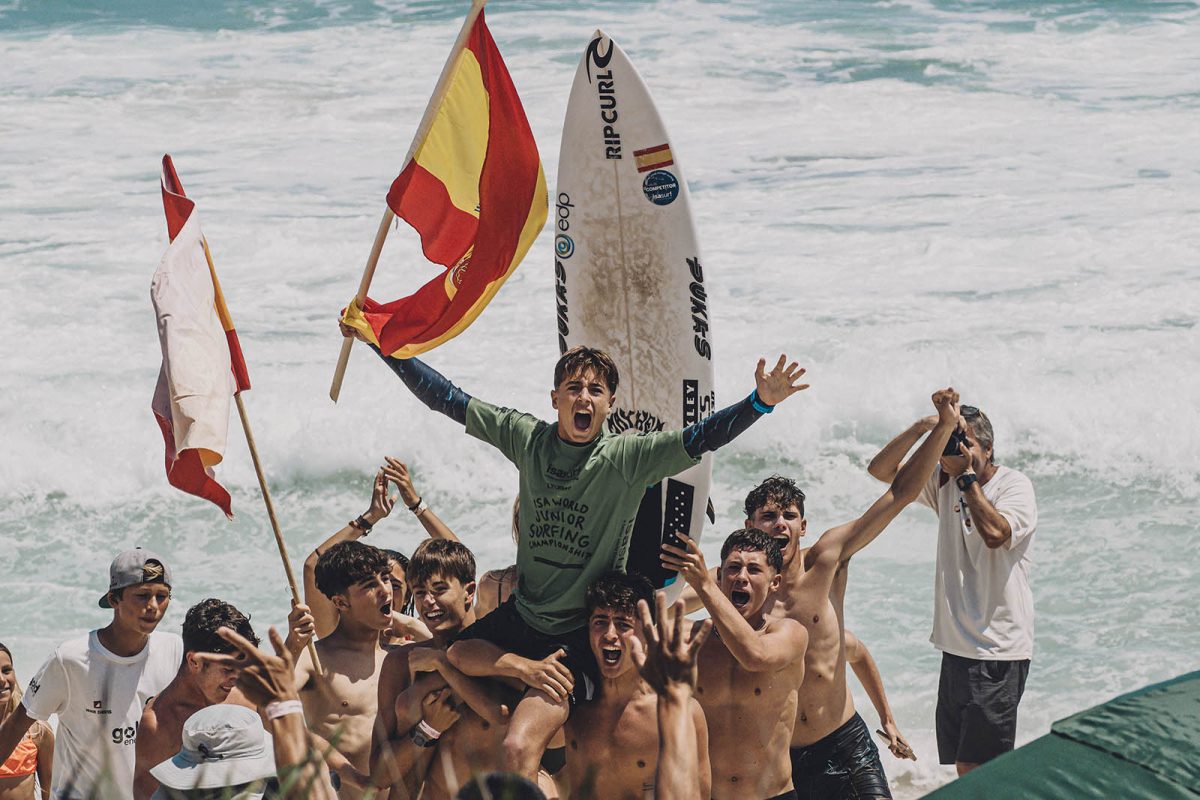
The victories of Spanish junior teams in recent years are neither a coincidence nor a stroke of luck. They confirm the existence of genuine surfing talent. New faces for the headlines, yes.
But names that have been familiar in the water for a long time.
"To turn that talent into long, sustained, and well-supported careers"
A Junior World Championship title doesn't just prove you can win an event; it proves your surfing is up to standard. That you're not a surprise arrival. That you belong. The challenge remains the same: to transform that talent into long, sustained and well-accompanied trajectoriesadas.
When the structure fails, talent moves on.
This is where the analysis becomes uncomfortable, but necessary. Compared to countries like France, Australia, the United States, or even Portugal and Germany (each at its own level) are not countries where surfing has a significant industry. Spain does not have a surf industry..
There are no large headquarters. There are no major global companies operating from Spain (with the clear exception of Pukas). There is no business ecosystem that generates employment, investment, influence, and continuity.
France, on the other hand, concentrates Boardriders, Volcom, Rip Curl and a large part of European industry. And let's not kid ourselves: when a company is headquartered in a country, The focus of investment, resources, and opportunities tends to remain within that same country..
"It's sad, but it's true. Rip Curl Europe, for example, is made up of 90% French workers. And a company is, to a large extent, the people who make it up. This means that French surfers have better contracts, closer relationships, more connections, and greater job security, while the rest of the Europeans are relegated to a secondary role."
It's sad, but it's true. Rip Curl Europe, for example, is made up of 90% French workers. And a company is, to a large extent, the people who make it up. This results in French surfers having better contracts, closer relationships, stronger connections, and greater job security, while the rest of Europe is relegated to a secondary role.
It's not Rip Curl Europe. It's Rip Curl France managing Europe.
And it is no coincidence that France is one of the best-structured countries in the world for surfing, nor that the European industry has its center of operations there.
In that context, the case of the Odriozola brothers competing for Germany makes perfect sense. It's not a question of identity, sentiment, or homeland. Neither of them feels more German than Spanish or Basque. It's a question of resources.
When your country doesn't offer them, you play the cards you're dealt. Like a driver who changes teams. Like a player who changes clubs.
It's not a betrayal. It's a direct consequence of not knowing how (or not being able) to retain talent.
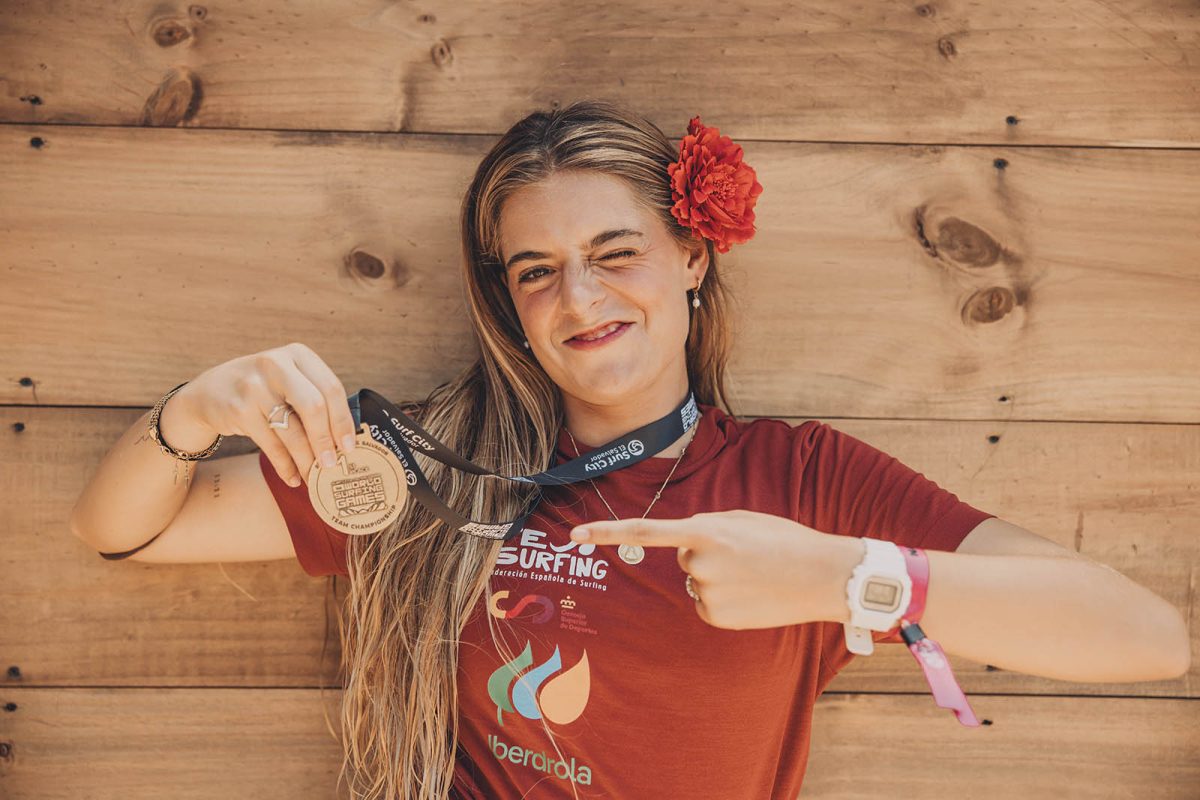
Women's surfing: She no longer pushes, she leads.
Spanish women's surfing is experiencing one of its strongest periods.
The sisters Etxebarri They've been a breath of fresh air: well-rounded, competitive surfing with consistent results. And Nadia Erostarbe It has established itself as the spearhead of competitive surfing in Spain. Not through talk, but through actions.
Together, they are reaching levels that previous generations like Garazi Sánchez, Lucía Martiño or Ainara Aymat did not reach within the competitive circuit: On the verge of the CT and in an Olympic context.
The bar has been raised. And this time, it seems to be staying there.
There are also careers that evolve out of necessity and by reading the context. Laura Coviella She has decided to refocus her career towards big wave surfing, becoming one of the few new faces in Spanish big wave surfing and, probably, the only one within national female surfing.
It's not a cosmetic change or a departure from the established path. It's about understanding where real progress can be made when the system isn't always on your side. Keep an eye on things, because you'll soon see some movement on their charts. Nothing accidental.
TalentsYes. Industry, stillyear
If in 2024 the Olympic presence was the big headline (and it was), 2025 should be remembered as the year in which the new generation is already here.
But this generation won't succeed through sheer grit alone. Spain has reached the world's top in almost all its sports thanks to structures that nurture and maximize talent. Surfing is still in its infancy in terms of industry, athlete mindset, and the ecosystem built around it.
And therein lies the paradox: and also the opportunity. There is still room to create a real competitive advantage for those who know how to surround themselves with the right people and work with a long-term vision.
A conclusion that explains everything
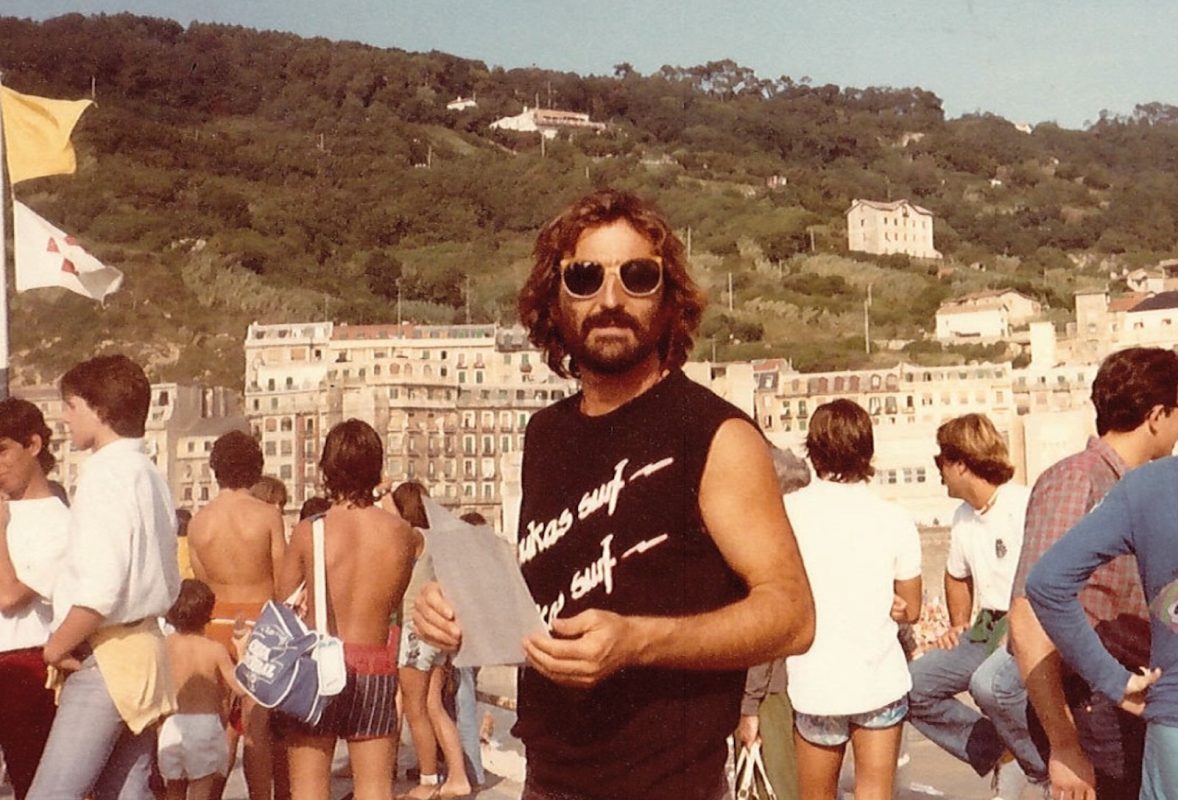
Talking about new generations in 2025 forces us to mention a historical and deeply symbolic event: The death of Iñigo Letamendia, founder of Pukas and seed of much of what is now Spanish surfing.
Thanks to Pukas, many of us entered this industry. And seeing the work of Adur, Jaime, Christian, and the rest of the Pukas family, it's clear that there's no generational problem here.
Hay continuity, criteria and future.
Perhaps that's why 2025 doesn't feel like a breakup, but like something better: The year in which everything started to fall into place.
Spanish surfing hasn't just grown up this year, it's grown up. We'll see how we fare in adulthood at the end of 2026.
Special coverage of the Paris 2024 Olympic Games on DUKE is presented by:






Related Notes:
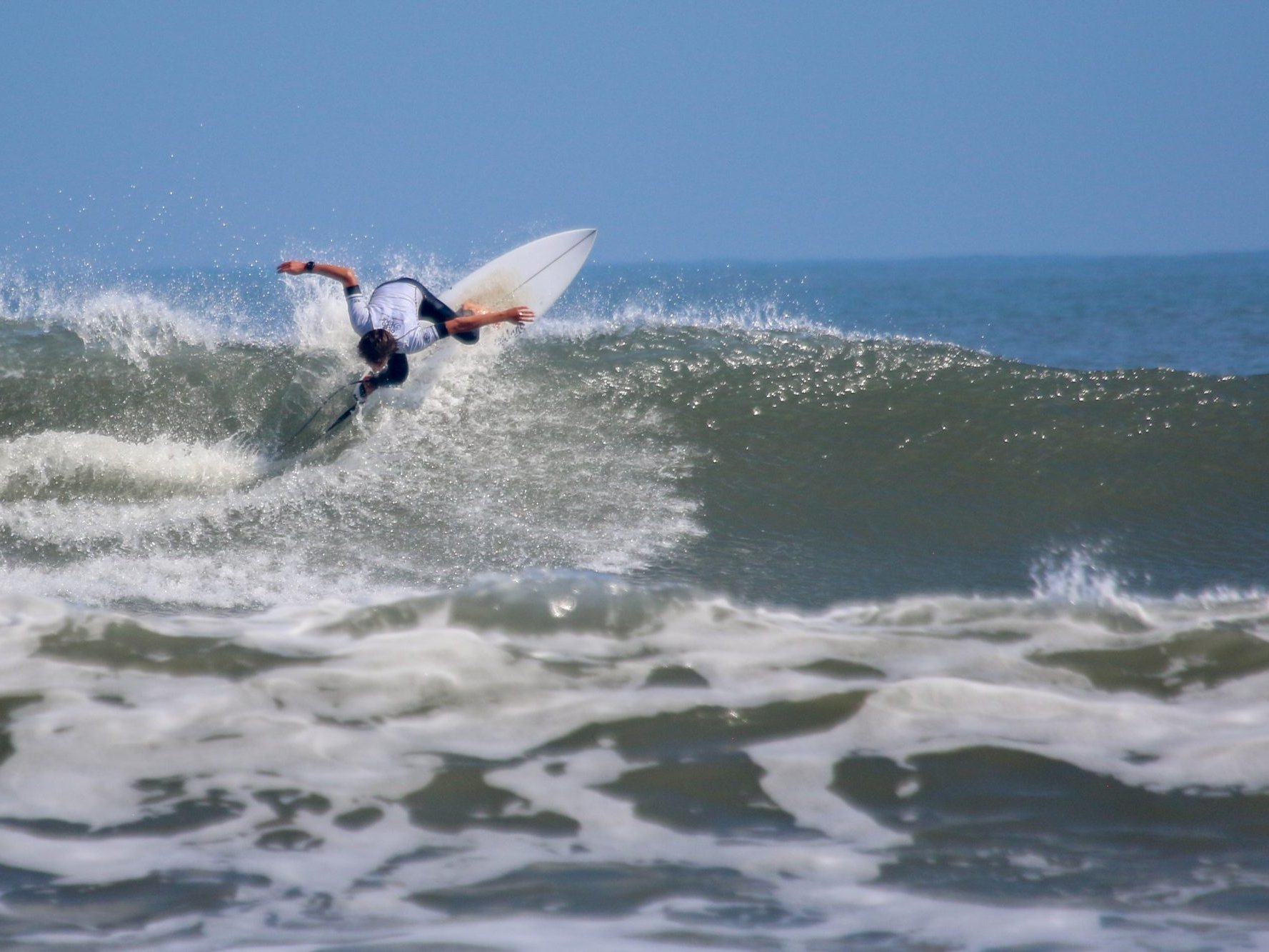
LIVE HERE: Day 1 of the 2025 South American Surf Championship
The sea has risen and the waves are incredible in Chicama
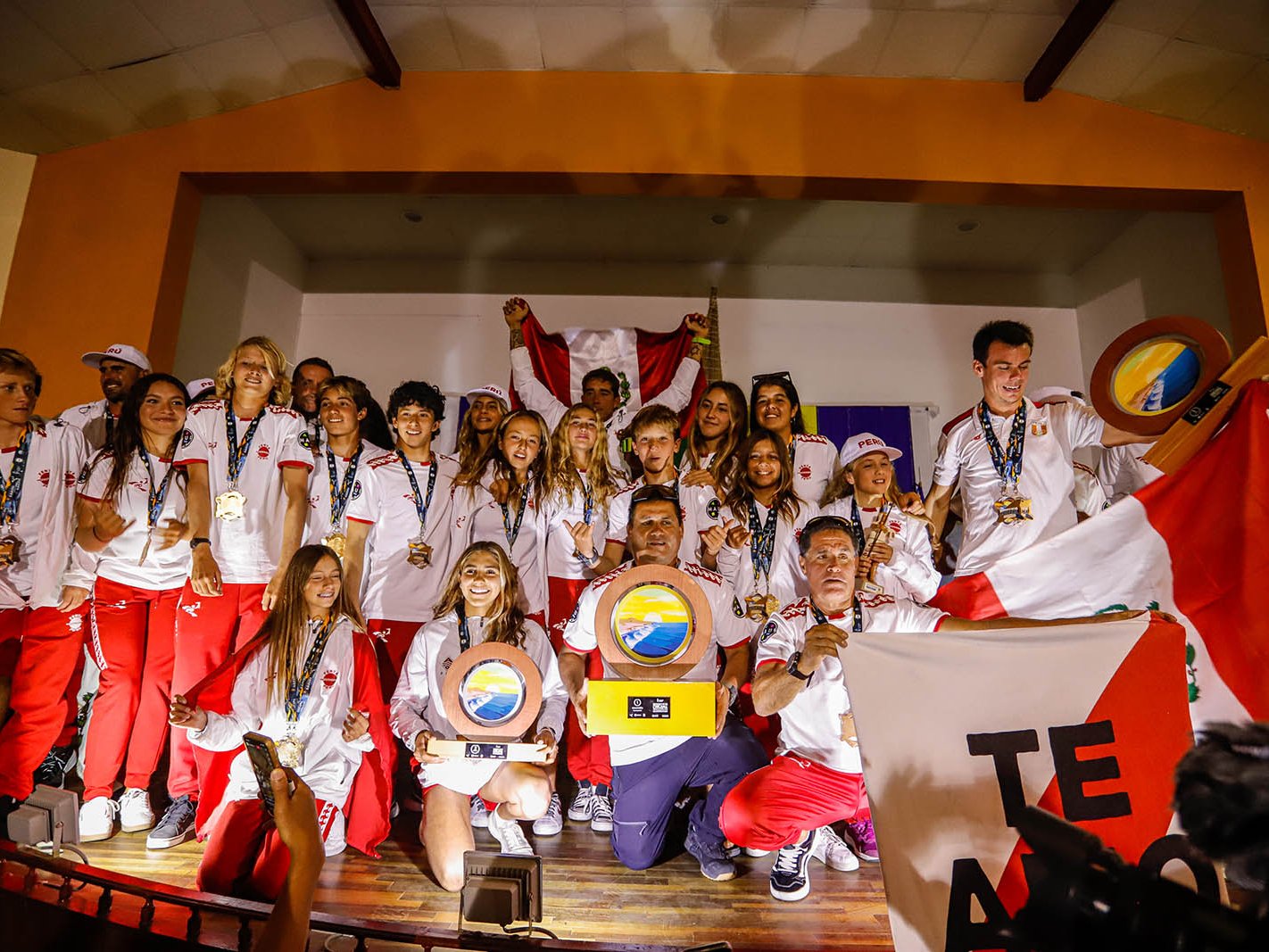
Photos from the final day of the 2025 South American Surf Championship
This is how the Peruvian surfing team was crowned champion for the second consecutive year.
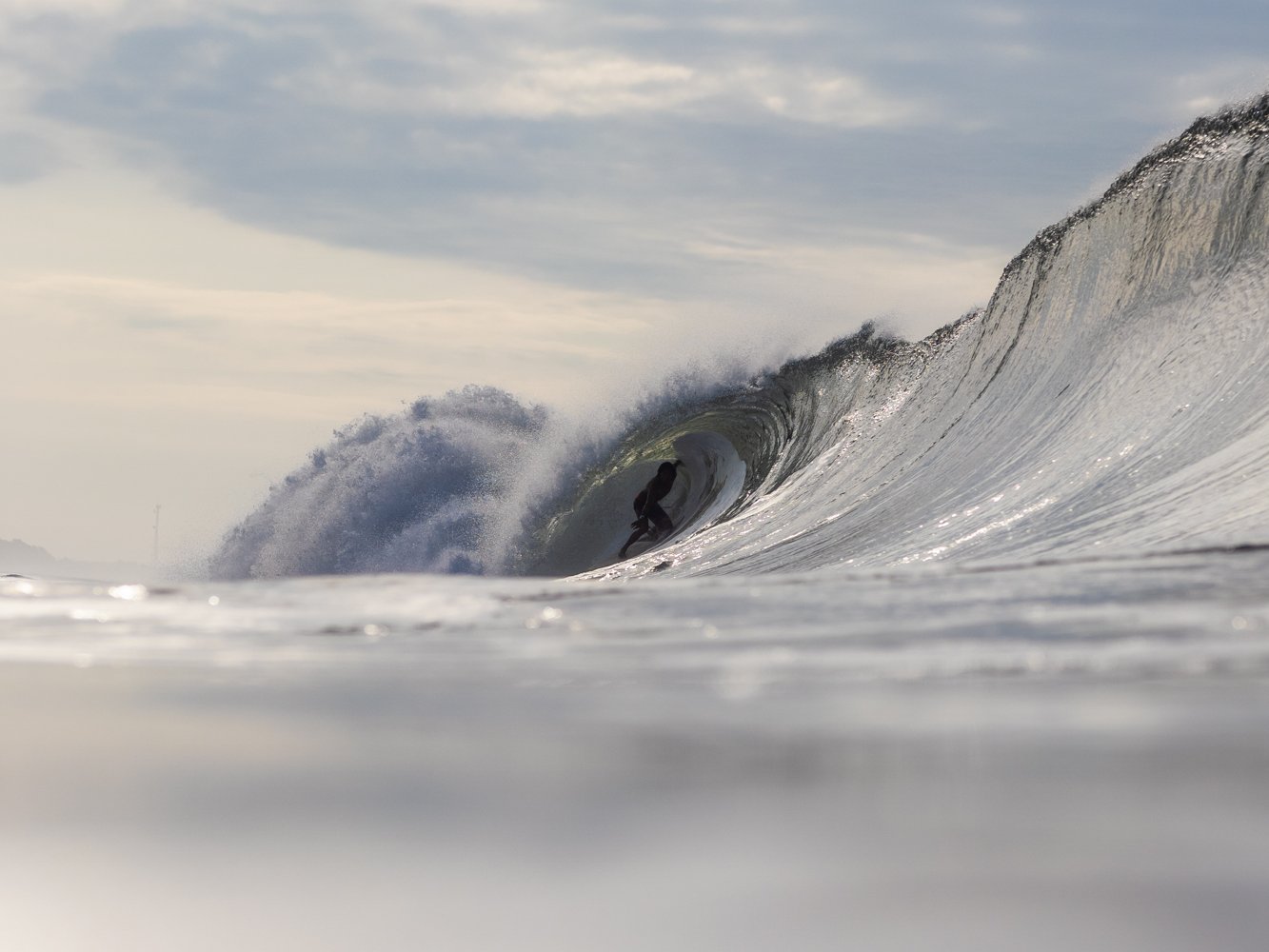
This year's Pan American Surfing Championship will be held in Guatemala.
In Hawaii Beach, between July 3 and 13
Video highlights from Day 2 of the Surf City El Salvador Pro 2025
14 sets and 190 waves compressed into a two-minute clip

This is how the powerful Spanish team for the Para Surf World Championship is formed
Since 2020, when they were champions, the Spaniards have not left the top 5 in this competition.
Video highlights from Day 3 of the 2025 South American Surf Championship in Chicama
The semifinalists have been defined and tomorrow there will be champions in Open, Under 16 and Under 18
Video highlights from Day 1 of the 2025 South American Surf Championship
Chicama pumped up today and the first quarterfinalists of the main event were defined.