
Special coverage of the Paris 2024 Olympic Games on DUKE is presented by:










Related Notes:

Paris 2024 organizers insist Olympic surfing will be held in Teahupoo
“Discussions and studies will continue in the coming weeks to find a solution to host the event at the Teahupoo site,” they said.


IOC accepts Paris proposal to have surfing in the 2024 Olympics
Skateboarding, climbing and breakdancing have also been accepted. The final decision will come at the end of 2020 but everyone is very positive that it will become a reality.
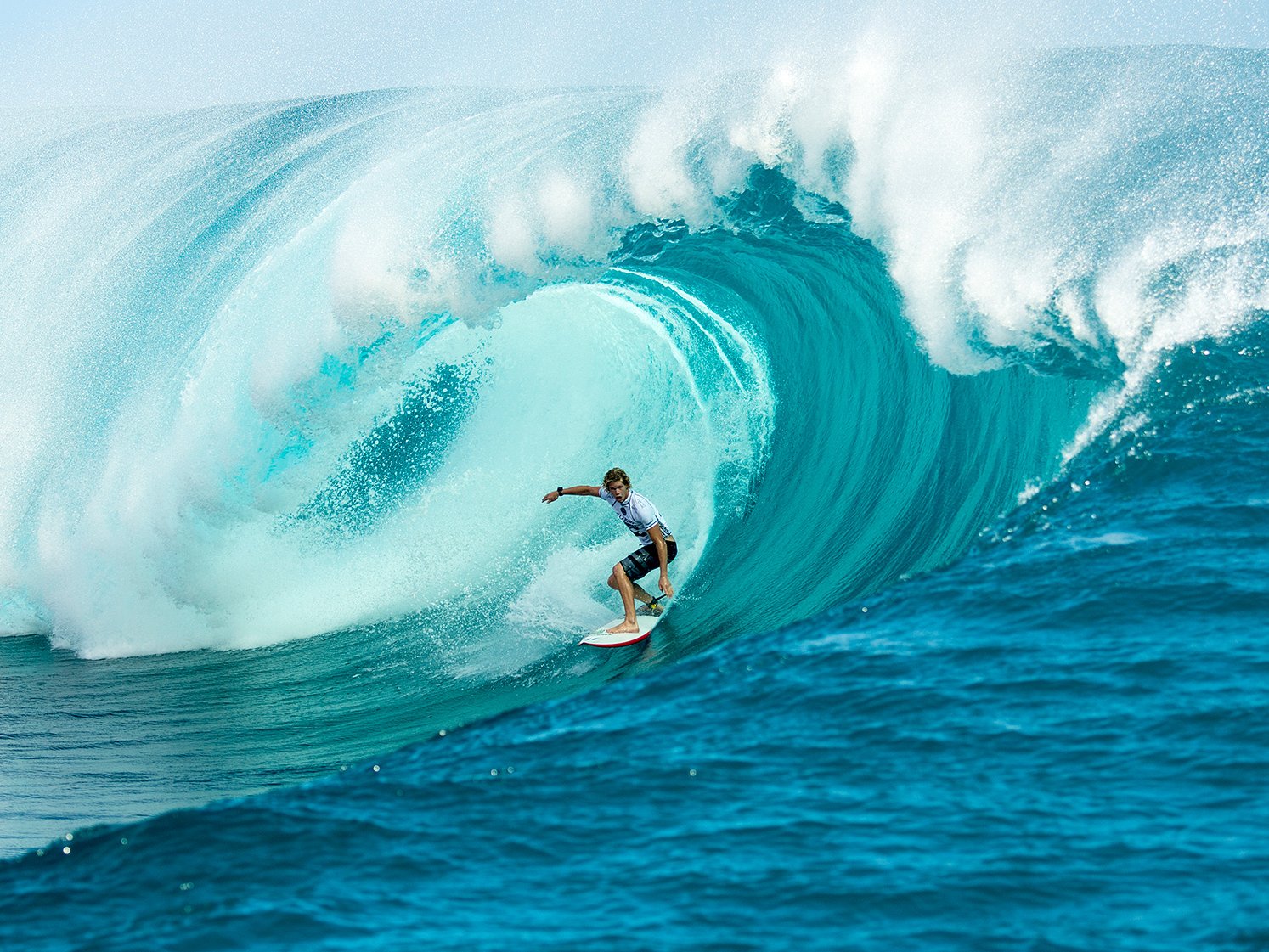
IOC approves Teahupoo as host city for surfing in Paris 2024
"Surfing is a sport for the new era of games and this approach to Paris 2024 demonstrates how our values are aligned," said ISA President Fernando Aguerre.

Fioravanti is guaranteed a place in Paris 2024
The ninth in JBay guaranteed him a place in his second Games; Toledo is with one foot in and Dora and Medina are pushing Chianca who will still leave South Africa within the qualification zone regardless of the result.
IOC confirms surfing in Paris 2024 with Teahupoo as host
Everything indicates that SUP will not be present at this edition of the Olympic Games

Jack Robinson to Paris 2024
Connor O'Leary's defeat meant that no other Australian can catch him; only the second Brazilian remains to be determined and whether the last place will be occupied by McGillivray or Waida.
