
The challenging impact that Tokyo 2020 will bring to surfing marketing
The only logo that will be allowed on each piece of equipment will be that of the manufacturer. There will also be items that will not be allowed to be used due to their “potential for abuse.”
Cover photo: Adriano de Souza, one of the best sponsored surfers in the world with his board without Olympic rules and with Olympic rules. The Olympic effect takes away at least 10 sponsors from the great champion. The brand of the board and pad manufacturer remains, as the rules dictate. One of the two logos he wore on his right sleeve is also gone.
The presence of a brand on the front of the board has historically been the space that surfers negotiate and subsequently display to earn their daily bread. This and the cap and clothing that allows them to provide a return to sponsors once out of the water.
That space, for which sponsors have paid millions of dollars, will disappear for the 40 historic surfers who qualify for Tokyo 2020.
The general principle that the Olympics follow is "to focus on the sport and the athletes" - no branding is allowed on athletes, the name of the manufacturer of each item can be displayed, including surfboards, but not unrelated logos. The same applies to each piece of equipment - clothing can be branded by the clothing manufacturer, but not anything else, and there are specific sizes that must not be exceeded.
Athletes who violate these regulations may be sanctioned with disqualification or with “other possible sanctions” according to the decision of the IOC or the rules that are not respected by the international federation in question (the ISA in this case).
Rule 50 of the Olympic Charter and the guidelines relating to authorised identification (one is printed for each game, but not yet available for Tokyo) contain the smallest details on what is and is not allowed.
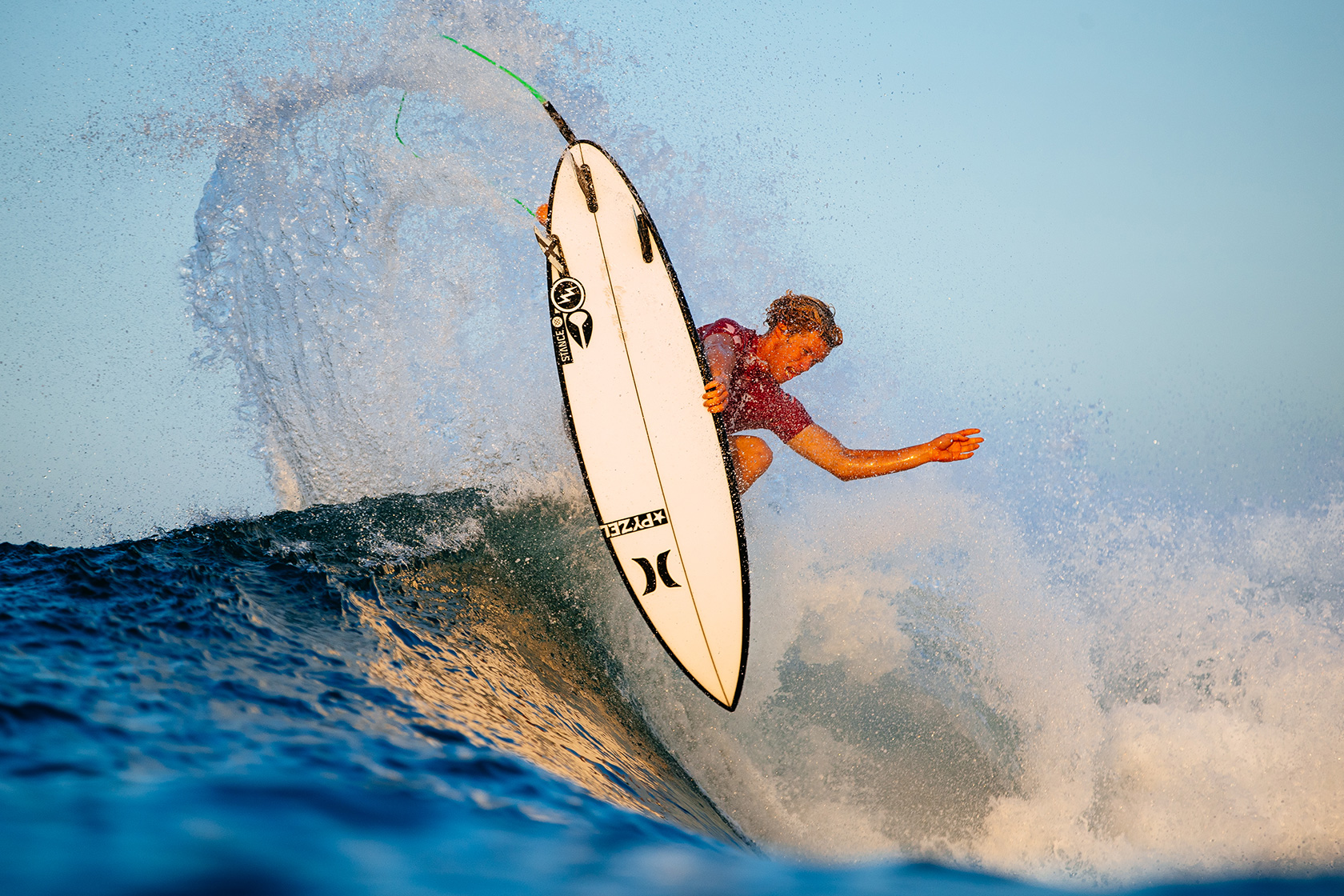

The main thing is this:
-Sports equipment, in the case of surfing, board: There may not be more than one logo with the manufacturer's brand (the logo cannot be on both sides of the board, for example). The board may not occupy more than 10% of the surface, may not exceed 60 square centimeters and may not be larger than what was sold in stores six months before the games (see below what happened with snowboarding in Sochi and Pyeongchang).
-Clothing: The manufacturer's identification may not occupy more than 30 square centimeters. The only logos that may be used besides this are those of the national sports federation and the Olympic Games in question. In the case of suits, surfing wetsuits may have one logo above the waist and another below.
It may carry information about the product technology that does not exceed 10 square centimeters.
-Regarding accessories
Socks: A manufacturer's logo that does not exceed 10 square centimeters.
Cap: A manufacturer's logo that does not exceed 10 square centimeters
Glasses: May have the same manufacturer information as lenses sold in stores in the last six months. They may not have markings on the lens itself.
Bracelets: One manufacturer identification per item no larger than 6 square centimeters.
Gloves: One manufacturer identification per item no larger than 6 square centimeters.
Bag: One manufacturer identification per item, no more than 10% of the surface area of the bag and no larger than 60 centimeters.
And clarifies: For any item not listed above, the manufacturer's brand cannot exceed 6 square centimeters (this would include leashes and pads, for example).
Shoes or sneakers: They must bear the manufacturer's information in the same way as in stores six months prior to the Games.


Some not minor details
-Athletes will not be able to wear logos on their necks, “a tattoo” is what the IOC uses as an example.
-The following items cannot be branded “due to their potential for abuse”: Headphones, water bottles, umbrellas, bandages, contact lenses, mouth guards and nose clips.
-Items may not include nicknames, hashtags, URLs, social media accounts, QR or barcodes, corporate designs or any other distinctive signs.
- Sports equipment may not be brought to the awards ceremony and this also applies to official interviews with the exception of the mixed zone. Personal accessories such as cell phones, water bottles and national flags are also not allowed on the podium.
-Certain items can be reviewed in the email rule50@olympic.org.
Once the guidelines for Tokyo 2020 are released, there will be a specific chapter for the surfing event, but it is expected that not much will change compared to what is established in the guidelines mentioned here, which took into account the last Olympic Games held (winter in Pyeongchang 2018) and the summer in Rio 2016.
The two snowboarding events already held at the Winter Games have caused controversy because the logos on the underside of the board are definitely larger than 10% of the board's surface.
In response, the snowboarders relied on the rule that equipment must be the same as it was in stores six months before the Games (which contradicts the 10% rule in this case).
Another violation can be clearly seen below, at Sochi 2014, with sports equipment being brought onto the podium.
In both cases, none of the athletes were sanctioned.

A very similar guide to this one will be prepared for Tokyo 2020:
The guide to the Pyeongchang 2018 Winter Olympics by DUKE He Scribd
Special coverage of the Paris 2024 Olympic Games on DUKE is presented by:





Related Notes:


Tickets for the Tokyo 2020 surfing event will cost $27
The organization already plans to sell tickets in case there are no waves and the “contingency days” have to be used.

Why does Costa Rica already have one foot in Tokyo 2020?
Very few scenarios could take Costa Rica out of surfing's debut at the Olympic Games

Tatiana Weston-Webb moves to Brazil and goes all out for Tokyo 2020
With this, he practically guarantees his place in the Games if he only stays in the elite until next year.

Tokyo 2020 Surfing Organizing Committee Makes Official Visit to California
They were taking surfing lessons with Slater, invited to the US Open and the Waterman's Ball

The qualification criteria for the surfing event at the Tokyo 2020 Olympics
A step-by-step of all the possible scenarios that will lead to surfing's first participation in the games
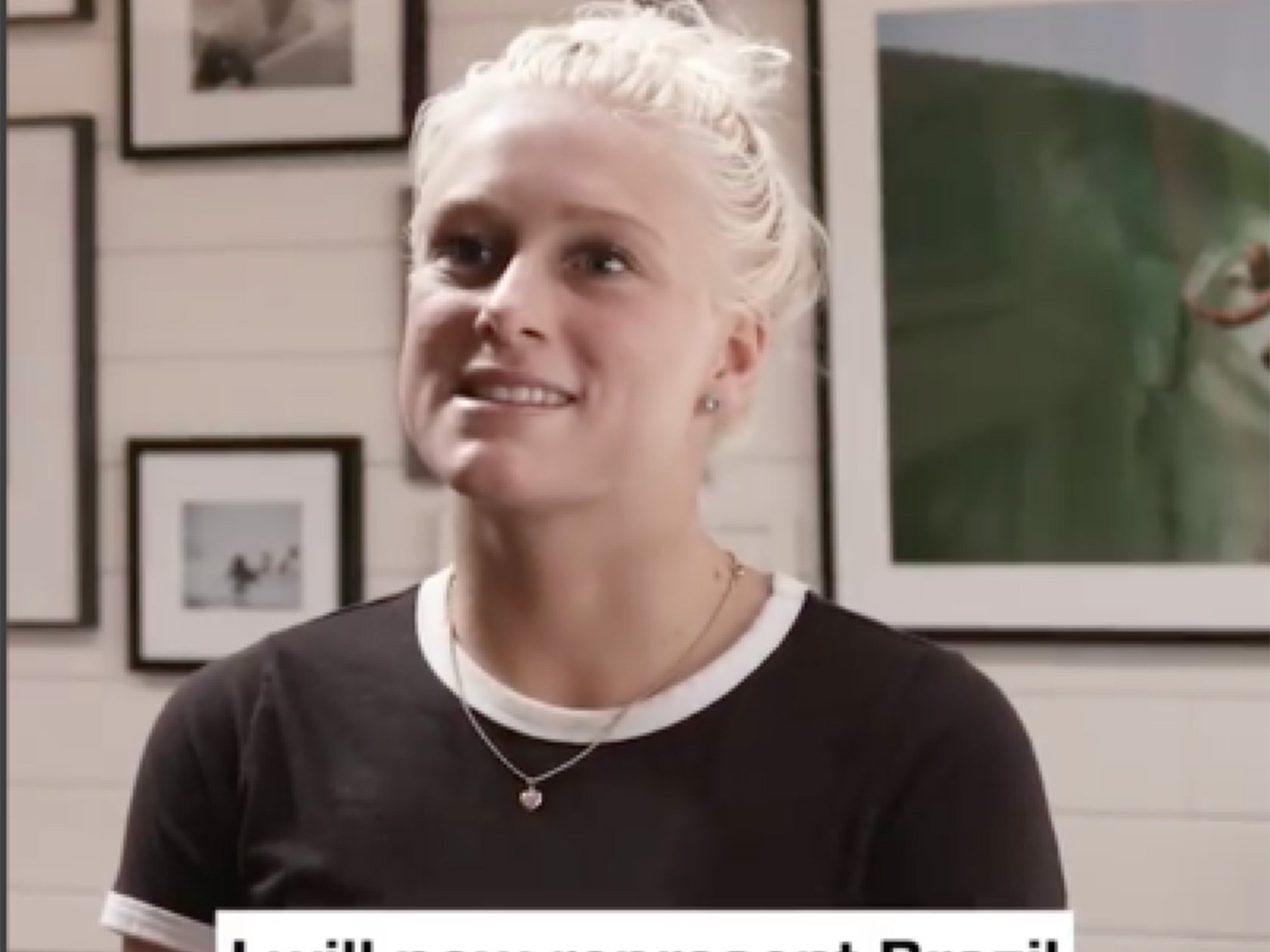
Why did Tatiana move to Brazil and with this it is almost certain that she will go to Tokyo 2020?
Now there are two Brazilians in the CT who, by staying in the elite for 2019, will complete their nation's quota
